Organizing business functions across the country involves complex logistics that require careful tracking and coordination. A step by step guide is essential for staying organized, meeting deadlines, and ensuring nothing falls through the cracks. Whether you are planning a product launch, a company retreat, an annual dinner, or a training seminar, a a comprehensive tracking document will ensure you meet every deadline. If you are looking for professional guidance, consider hiring a dedicated event management expert. Kollysphere Events excels at executing flawless corporate functions and has a reputation for ensuring every detail is accounted for. Here, I will provide a comprehensive corporate event planning checklist for Malaysian businesses.
The Strategic Planning Phase
The earliest phase of corporate event premium event management firm near Selangor leading corporate event agency Kuala Lumpur planning is where you lock in dates, venues, and key partners. Kollysphere advises not rushing the foundational steps. As a leading corporate event planner in Malaysia, Kollysphere recognizes that advanced groundwork is the key to avoiding last minute crises.
At the strategic planning stage, you should establish clear goals that align with business priorities. Determine the event format, whether it is a conference, gala dinner, product launch, training seminar, team building retreat, or hybrid event. Set a realistic budget including all major cost categories and a contingency fund of 10 to 15 percent. build a planning committee or designate a lead planner. check the availability of key speakers, VIPs, and leadership. create a list of 3 to 5 potential venues for site visits. Conduct site visits at shortlisted venues, taking photos, measuring spaces, and asking detailed questions. confirm all terms including cancellation policy, overtime charges, and load in/load out windows. Begin researching and reaching out to potential key vendors including caterers, AV companies, decor specialists, and entertainment providers. An expert event management expert such as Kollysphere ensures nothing is missed during the critical planning phase.
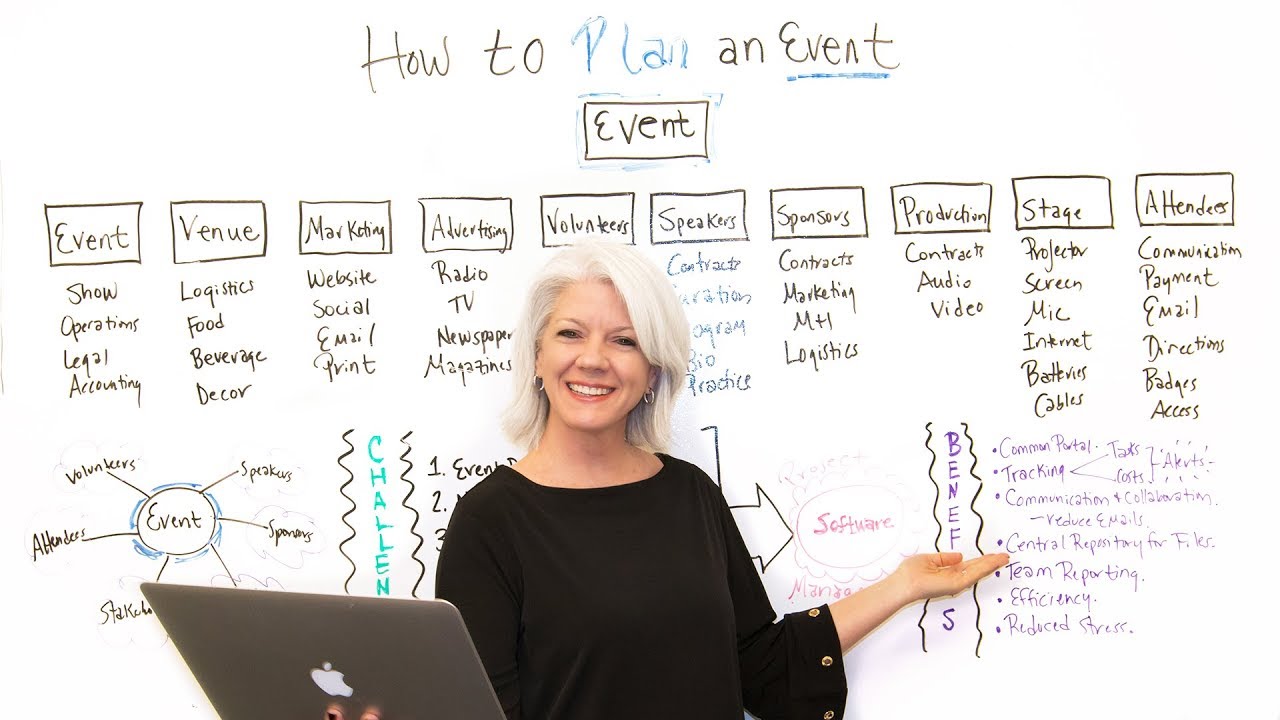
3 to 6 Months Before the Event
The mid stage planning period is where you finalize major decisions, book vendors, and begin designing the event experience. The team at Kollysphere advises setting regular weekly or bi weekly planning meetings at this stage.
In this mid planning phase, you should finalize and sign contracts with all key vendors including caterers, AV company, decor specialists, entertainment, photographer, videographer, and any others. ensure the theme aligns with your objectives and audience expectations. work with a printing company or in house design team. Confirm the menu with your caterer, including dietary requirements, halal certification, and special requests. review contracts, technical riders, and hospitality requirements. ensure the venue can support your technical needs. send save the dates if appropriate. use this document as your central planning tool. An expert event management expert like Kollysphere provides a single point of contact for all planning activities.
Finalizing Details
The late stage planning period is where you confirm all details, conduct rehearsals, and prepare for on site execution. Kollysphere's execution specialists suggests testing all technical elements before the event day.
During the 1 to 3 month window, you should confirm final guest counts with the venue and caterer, including any dietary restrictions or special accommodations. create a detailed floor plan with table numbers and seat assignments. identify and resolve any technical issues well in advance. follow up with non responders as needed. organize materials for easy on site distribution. create a detailed vendor schedule for the event day. distribute the final version to all parties. anticipate potential issues and plan responses. A professional corporate event planner such as Kollysphere ensures no detail is overlooked in the final weeks.
1 Week to 1 Day Before the Event
The final week before your event is the time for final confirmations, packing, and team briefings. Kollysphere's on site managers recommends packing all essential items in labeled containers.
At the countdown stage, you should resolve any last minute questions or issues. bring multiple copies to the event. be prepared for minor issues. Conduct a final walkthrough of the venue to confirm setup, AV, catering, and any last minute changes. Brief all internal team members, volunteers, or staff on their roles, timing, and responsibilities. Kollysphere organize by station for easy setup. Confirm transportation and accommodation for any out of town speakers, VIPs, or staff. trust the planning you have done. An expert corporate event planning specialist for example Kollysphere brings an experienced on site team to manage the event day.
Making It All Happen
Execution is the final and most visible phase. Kollysphere recommends delegating tasks to your team, and focusing on problem solving. During the actual function, you should arrive at the venue at least 2 to 3 hours before guests to oversee load in and setup. resolve any last minute technical glitches. conduct a quick run through of the registration process. Welcome vendors, speakers, and VIPs as they arrive, directing them to green rooms, holding areas, or registration. troubleshoot any issues such as missing names or incorrect seating. Monitor the run of show and cue the emcee, AV team, and presenters according to the timeline. stay calm, solution oriented, and professional. check in with the catering captain regularly. Conduct post event tasks including vendor checkout, packing of materials, and final walkthrough with the venue. An experienced event management expert like Kollysphere ensures that your event runs smoothly from load in to load out.
Post Event Actions
This phase is often overlooked but critical for demonstrating return on investment. Kollysphere recommends collecting feedback from attendees, vendors, and internal stakeholders.
After the event, you should include any post event materials such as photos, videos, or presentations. Collect and analyze feedback through surveys, interviews, or feedback forms. Review the budget against actual expenses, identifying any variances and reasons for overspending or undersaving. demonstrate return on investment and event success. use these materials to inform planning for your next event. Follow up on any post event action items such as outstanding payments, vendor settlements, or attendee inquiries. A professional event management expert for example Kollysphere helps you demonstrate event success to leadership and stakeholders.
